At a glance
- Difficulty
- Intermediate
- Climbing
- Sport, Multi-pitch
- Rock
- Limestone
- Best seasons
- Winter
- Wall height
- Up to 610 m (2,000 ft)
- Approach
- 5–30 min (varies by sector)
- Region
- Hidalgo, Nuevo León, Mexico
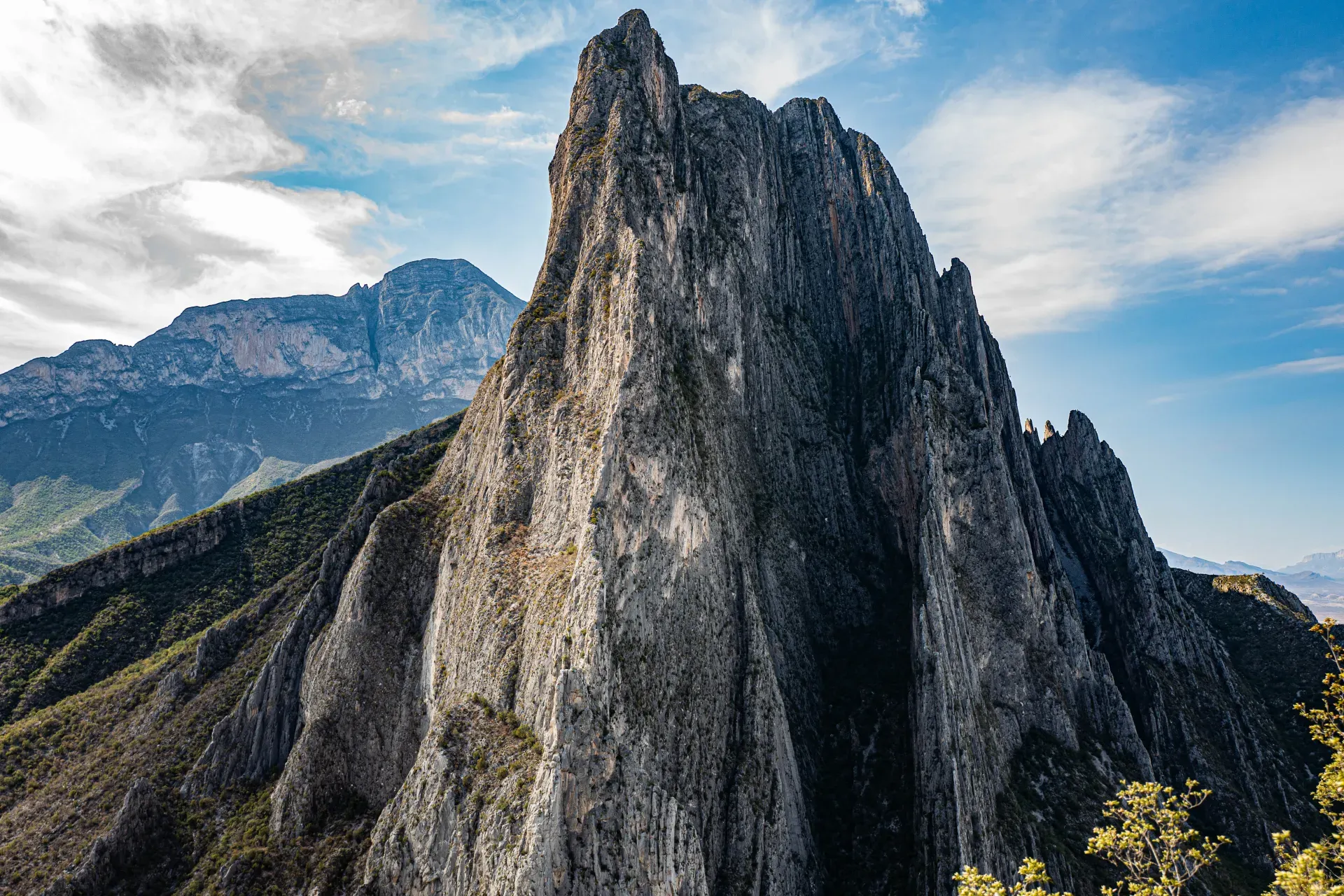
El Potrero Chico (EPC) is a classic winter sun trip for American and Canadian climbers when it’s cold up north—and as an Australian, it’s the kind of destination that still feels wildly “worth the flight.” Set in the high desert of northern Mexico, the canyon is famous for steep orange-and-grey limestone, friendly vibes, and huge sport multi-pitch walls topping out around 610 m (2,000 ft).
Overview
Just a short drive from Monterrey, EPC has earned international recognition for generally excellent rock quality, consistent grades, and the “big day” feeling you get on long, bolted limestone routes. You can crag single-pitch, but the headline experience is linking long multi-pitch lines under blue skies in mid-winter.
What Makes It Special
Limestone Paradise: The orange and grey limestone is often solid and featured, with everything from technical face climbing to powerful overhangs.
Multi-Pitch Heaven: While single-pitch cragging is great, the real draw is long, bolted multi-pitch climbing. Classics include Time Wave Zero (23 pitches, 5.12a), El Sendero Luminoso (15 pitches, 5.12d), and Yankee Clipper (15 pitches, 5.12a).
Perfect Winter Destination: When it’s too cold to climb further north, EPC typically delivers comfortable climbing temps through winter—warm sunny days and cool nights.
The Scene
The climbing community here is a big part of the trip. You’ll meet climbers from all over the world, swap descent beta, and inevitably end up on taco missions into Hidalgo.
As of the 2025/2026 season, Rancho El Sendero is the place to be for vibes—especially if you’re travelling solo and want a social base. La Posada is also a popular hub with plenty of climbers coming and going.
We’re Australian, and we stayed at El Cubil, which is cheaper and less social, but the closest option to the park entrance. A twin bunk room was about A$46/night (roughly €27 / US$30, depending on exchange rates).
Rest Days
- El Buho Cafe: A super cute local cafe in Hidalgo, run by volunteers, with great coffee and a welcoming community vibe. See El Buho Cafe.
- Hot springs: The Termas de San Joaquin (Termas de la Azufrosa) are a fun rest-day mission—expect very hot water. See Termas de San Joaquin Hot Springs.
- Pool day: If you’re staying elsewhere, ask about day entry for the pools at Rancho or La Posada—perfect for an easy recovery day.
Getting Started
EPC is a friendly place to learn, but it’s still serious multi-pitch terrain—be comfortable with long days, transitions, and efficient systems before you commit to the bigger walls.
Start with good limestone warmups in Virgin Canyon, then work up to easier multi-pitches like The Squirrels and Estrellita before stepping onto the longer classics.
Be aware that there can be chossy sections and lots of rockfall in places—especially around the Christmas/New Year period when the canyon is busy. Wear helmets, manage spacing between parties, and be conservative with route choice and descent timing.
Logistics & Planning
How to get there, where to stay, and practical information for planning your El Potrero Chico trip.
Getting There
By Air
Flying is usually the easiest option for most visitors. The closest major airport is Monterrey International Airport (MTY), about ~1 hour (give or take) from Potrero Chico / Hidalgo.
Getting from MTY → Potrero Chico
- Book a taxi ahead of time: This is the simplest door-to-door option. Typical price is ~900–1300 pesos including toll roads (prices vary by season/group size).
- Ask around for current recommendations: The Potrero community is very active and up-to-date in the Facebook group: Potrero Chico Rock Climbing (FB group).
- Rent a car: Convenient if you want freedom for rest days or to run errands in Monterrey (see below).
Pro tip: San Diego → Tijuana (TIJ) can be much cheaper
- If you can cross at San Diego and fly out of Tijuana (TIJ), flights are often significantly cheaper than U.S. airports.
- Tradeoff: TIJ flights can be delay-prone, so build in buffer time for connections and arrival.
Taxi-driver Spanish (handy to screenshot/print)
- “Necesito ir a Parque Potrero Chico en Hidalgo, Nuevo León, por favor.”
By Car
Driving works well if you have a group (and a lot of gear), but it’s also the option with the most “details.” We personally flew, and recommend that for most travelers.
If you do drive, especially from the U.S. border, use the step-by-step directions here: Driving to Potrero Chico.
Border Crossing (from USA):
- There are multiple crossings; route choice, paperwork, and road selection matter. Use the guide above and make sure you have Mexican auto insurance before crossing.
Rental Cars
- Major companies at Monterrey airport
- Compact SUV or sedan works fine (not 4WD needed)
- Cost: $30-50/day depending on season
- Mandatory Mexican insurance: $15-25/day additional
- Reserve in advance during high season (Dec-Feb)
Driving in Mexico Tips:
- Stick to toll roads (cuota) when possible (safer/faster)
- Don’t drive at night
- Keep change for tolls
- GPS works, but download offline maps
Where to Stay
Camping
Rancho El Sendero (best vibes)
- Our favorite “community feel” — easiest place to meet partners and get pulled into dinner plans.
La Posada (solid, a bit quieter)
- Comfortable and a good option if you want a calmer base than the most social ranchos.
Leo’s Housing & Campground (cheap, can be loud)
- Great budget option for cheap rooms + camping.
- Heads up: it can be noisy and Leo sometimes throws late parties.
El Cubil
- Where we stayed: ecpotrerochico.com
- Super nice, cheaper, and closer to the park, but not very social compared to the ranchos.
Hotels & Hostels
There are also basic hotels and hostels in Hidalgo if you want town access (pharmacy, groceries, restaurants). Expect simple rooms and a quieter vibe than the campgrounds.
Most hostels have communal kitchens, so it’s easy to cook and keep costs down.
Money & Costs
Budget (Per Day)
- Camping: ~$10–15
- Meals: $10-20 (mix of camp cooking and restaurants)
- Guidebook: ~$40 (one-time, 2025 version)
- Total: ~$25–50/day (varies a lot based on eating out vs cooking)
Money Tips
- Bring pesos - better rates than USD in most places
- ATMs: reliable options are at the Mi Bodega Aurrera supermarket or at the police station
- ATM fee is typically ~30 pesos
- Most campgrounds and restaurants accept cash only
- Paying in USD usually gets you a bad rate
- Lots of places accept card, but it’s common to see big card surcharges
Food & Water
Restaurants
At the campgrounds:
- Basic Mexican food
- Breakfast tacos
- Dinner options
- Reasonable prices
In Hidalgo (5 km [~3 mi] away):
- Multiple taquerías
- Small grocery stores
- Pharmacies
- Better variety and prices
Cooking
- Camp stoves allowed
- Most campers do breakfast at camp, lunch on the wall, dinner at restaurants
- Grocery shopping in Hidalgo or stock up in Monterrey
Water
- Water can be drinkable near the canyon (spring water):
- There’s a spigot near the water park on the big blue pipe where many climbers fill up before/while climbing.
- Don’t drink water from downhill / Hidalgo-town sources (including the water down from Rancho El Sendero) — it’s very bad.
- Most hostels also have filtered water, so you often don’t need to buy bottled water.
- Stay hydrated - the dry climate is deceptive
Language
You can get by with no Spanish, but learning a bit helps. Most locals speak enough English to get you sorted for basics like ordering food.
Safety & Health
Crime
Violent crime is generally low, but petty theft is common.
- We found a stolen wallet while we were there.
- There are frequent reports of theft from bags, especially when routes are close to the road (e.g. Jungle Wall).
- If you bring a pack, consider keeping it at the first-pitch anchor (or don’t bring a bag at all on roadside crags).
- Definitely don’t leave your wallet in a pack on the ground, and don’t leave valuables visible in cars.
Health
- No special vaccinations required
- Travel insurance recommended
- Basic medical care available in Hidalgo
- Serious injuries require Monterrey (1.5 hours)
- Bring a first aid kit
- Altitude is low (~1,200 m [4,000 ft]) - no acclimatization needed
Insurance
- Check if your insurance covers Mexico
- Climber-specific insurance recommended
- Car insurance must include Mexican coverage
Internet & Communication
Cell Service
Cell service is generally good.
- Get a Telcel SIM (available at basically any OXXO). Coverage is way better than cheaper options (e.g. Mexfon).
- Typical plan: ~220 pesos for 7GB for a month (often includes free social media).
- Telcel has coverage across most/all of the canyon; other providers can be much more limited (though you can almost always get at least SOS reception near summits).
WiFi
WiFi is much better than it used to be — many hostels now run Starlink, so it can be genuinely fast (including Rancho El Sendero, El Cubil, and La Posada).
Guidebooks & Beta
Essential:
- The current guidebook is widely available at most hostels for about ~$40 (2025 version).
- You can also buy it online: Potrero Chico Climbing Guidebook 2025
Online Resources:
- Between Mountain Project and The Crag, you can usually piece together enough beta if you don’t have the book.
Gear Rental & Shops
There’s effectively no gear rental in the canyon.
There are small gear shops at La Posada and Rancho El Sendero for essentials/forgotten items, but it’s best to arrive self-sufficient:
- Shoes
- Harnesses
- Ropes (though bringing your own is strongly recommended)
There’s also a second-hand climbing shoe shop near the park entrance. Expect around ~$70 USD for a resoled pair, but some shoes can be pretty beaten up—inspect carefully.
There aren’t full climbing shops nearby — bring everything from home or buy in Monterrey.
Duration of Stay
Recommended:
- Minimum: 5-7 days to sample the climbing
- Ideal: 2-3 weeks to tackle big routes and recover
- Many climbers stay 1-2 months in winter
The climbing is addictive - plan extra time!
Beta & Tips for El Potrero Chico
Essential tips, local knowledge, and beta to make the most of your trip to El Potrero.
Essential Gear
For Multi-Pitch Routes
- 70-meter rope (essential - many rappels require it)
- 14 quickdraws is enough for most pitches; ~26 is ideal if you’re linking pitches
- 2-3 locking carabiners
- PAS or daisy chain for anchors
- Headlamp (for inevitable epics)
- Small backpack that climbs well
Optional but Recommended
- Approach shoes (rocky approaches)
- Sun protection (hat, sunscreen, sun hoodie)
- 2-3 liters of water per person
- Energy food
- Small first aid kit
- Prusiks for emergency rope ascending
- Belay puffy for cold days in shady aspects
Cams for Trad Routes
While most routes are sport, some require gear:
- You can bring a small single rack to fill in runouts / for mixed climbs, but it’s not really needed
- There are lots of bolted cracks
- Check the guidebook for route-specific requirements
Multi-Pitch Tips
Rope Management is Critical
On long routes, efficient rope management saves hours:
- Stack the rope carefully as you belay
- Practice rappelling systems before attempting big routes
Descent Beta
Most routes descend via rappel:
- Bring a mallion in case you find sketchy bolts / rap anchors
- Check every anchor (there are loose bolts out there)
- Most rap anchors are double bolts or chains—but still inspect everything
- Know how to escape the belay if needed
- Simul-rapping can save time, but it adds risk—only do it if you’re fully confident in the system
Start Early
Popular routes can get crowded. Starting at sunrise means:
- First on the route
- Cooler temps in the morning
- Time to bail if things go wrong
- Back for afternoon beers
Local Knowledge
Grading
Routes tend to be accurately graded, though sandbagging does exist. If you climb 5.11 comfortably, you’ll likely climb 5.11 here - but be prepared for sustained climbing.
Rock Quality
Rock quality is very variable: some routes are bomber, and others can be absolute choss.
- Be extra careful on rappels — it’s common to knock down a shower of small rocks
- There have been multiple big rockfalls this season at Mota Wall (fridge- to microwave-sized blocks) — test holds
- The rock gets sharp — tape up if needed
Weather Patterns
- Mornings can be cool (~4–10°C [40–50°F] in winter)
- Days often warm up to ~21–27°C [70–80°F]
- Wind can pick up in afternoon
- Rain is rare but happens
- Check weather before big routes
Social Scene
Sharing Beta
The community is friendly - don’t hesitate to:
- Ask about route conditions
- Share your beta at the campfire
- Offer to combine parties on busy routes
- Help newcomers with descent beta
Hiring Guides
Several local guides operate in the canyon:
- Great for first-timers
- Learn the descent routes safely
- Get insider beta on conditions
- Support the local economy
Typical rates: $150-200/day for private guiding
Common Mistakes to Avoid
- Underestimating approaches: They’re longer than they look
- Not bringing enough water: You’ll need more than you think
- Skipping warm-ups: Jump on big routes cold and pay the price
- Ignoring rest days: The climbing is sustained - rest is crucial
- Leaving too late: Starting at 10am means you’re climbing in full sun
Phone & Internet
For current cell/WiFi details, see src/content/destinations/el-potrero-chico/logistics.md.
Routes at El Potrero Chico
El Potrero Chico (EPC) is famous for extensive limestone sport climbing, with hundreds of bolted routes from 5.7 to 5.13+ across single- and multi-pitch walls.
El Potrero Chico (EPC) is famous for its extensive limestone sport climbing, offering hundreds of bolted routes from beginner (5.7) to advanced (5.13+) across single and multi-pitch climbs, with classics like Estrellita, Yankee Clipper, El Sendero Luminoso, and Time Wave Zero, alongside popular walls like Mota Wall for easier climbs and The Surf for overhanging routes — all set in a vibrant climbing community in Hidalgo, Mexico.
Popular Multi-Pitch Classics
- Estrellita (5.10b, 12 pitches): A legendary route in the canyon.
- Yankee Clipper (5.10b, 14 pitches): Another iconic, long adventure. (Optional 5.12a pitch)
- El Sendero Luminoso (5.12+, 15 pitches): A challenging and popular climb.
- Time Wave Zero (22 pitches): One of the longest routes in the area.
- Supernova (5.11a, 8 pitches): A classic found at Club Mex.
Popular Single-Pitch Areas
- Virgin Canyon: The most popular single-pitch zone in the canyon, with tons of options across grades.
- Mota Wall (Lower Sense of Religion): Great for moderate climbs like “La Vaca” and “Double Cherry Pie”, with easy access.
- The Surf / Outrage Wall: Known for steep, overhanging tufas and harder grades (5.12a–5.13b).
- Club Mex: Features hard single pitches and “Supernova.”
- The Spires (Las Agujas): Popular twin rock formations with many routes.
Route Styles & Grades
- Rock type: Limestone — slabby faces, vertical walls, and steep/overhanging sections, with small polished footholds and smears showing up more at harder grades.
- Grades: 5.7 to 5.14+, with many classics in the 5.9–5.11 range.
- Bolting: Nearly all routes are sport-bolted with stainless steel hardware, making EPC a premier sport destination.
Finding Routes & Information
- A guidebook is strongly recommended (and widely available locally).
- Cross-reference with Mountain Project / The Crag for recent comments and conditions.
Best Times to Visit
Seasonal weather patterns, crowd levels, and the best times to visit El Potrero Chico.
The primary season for visiting El Potrero Chico (especially for rock climbing) is fall and winter, running roughly from October through March.
Summary Table
| Season | Months | Typical Weather Conditions | Recommendation |
|---|---|---|---|
| Peak | Dec – Feb | Cool, dry, clear skies; pleasant daytime temps (15°C–25°C [~60–75°F]) | Excellent for climbing (expect crowds) |
| Shoulder | Oct – Nov, Mar | Good conditions, less crowded than peak; spring can be more variable | Great alternatives to peak season |
| Off-Season | Apr – Sep | Very hot (often >35°C [95°F]), higher humidity, and heavier rain | Not recommended |
Peak Season: November - March
Weather
- Core season: October through March
- Peak (best for most climbers): December–February
- Temperatures: typically 15°C–25°C [~60–75°F] in the day (cooler at night)
- Conditions: Dry and often sunny — ideal friction for long days on limestone
- Rain: Usually rare in winter, but storms can happen
- Wind: Can pick up in the afternoon
Pros
- Best weather conditions
- Warmest temps during the “cold” months up north
- Consistent climbing days
- Full moon climbs are magical
Cons
- Most crowded (especially December-January)
- Popular routes can have lines
- Higher accommodation prices
- Campgrounds busiest
What to Expect
This is prime time. You’ll share the canyon with climbers from around the world. Expect a lively scene at the campgrounds, with nightly gatherings around fires. Book accommodation in advance if you want a private room.
Best For: First-time visitors, long trips, sending projects
Shoulder Season: October–November & March
Weather
- October–November: Transitioning into prime conditions; can still feel warm early in the season
- March: Often still great, but spring weather can be more variable
- Conditions: Generally good, with more “pick your wall/aspect” days
- Rain: More likely than mid-winter (still often very climbable)
Pros
- Fewer crowds
- Lower prices
- More route availability
- Pleasant if you don’t mind heat
Cons
- October can be too hot for hard routes
- April heats up quickly
- Some facilities may have reduced services
What to Expect
A quieter experience. Great for those who prefer solitude or want easier access to popular routes without the wait.
Best For: Experienced climbers who handle heat well, those seeking solitude
Off-Season: April - September
Weather
- Temperatures: Often >35°C [95°F] in summer
- Conditions: Too hot for most climbers, especially on sunny walls
- Rain: Heavier rain/storms in summer (roughly July–September)
- Humidity: Higher than winter
Why Visit?
Most climbers don’t - and for good reason:
- Brutally hot for climbing
- Routes in the sun are unbearable
- Flash storms possible
- Many facilities close or reduce hours
- Locals take a break from climbing
- Locals often use the canyon’s water park instead
Could You Still Climb?
Technically yes, but:
- Only shaded routes are bearable
- Early morning (6am-9am) is the window
- Multi-pitch routes are miserable
- High risk of heat exhaustion
Best For: Only the most masochistic climbers or those with very specific trip constraints
Planning Your Trip
For Best Weather
- Go: December - February
- Avoid: June - August
For Fewer Crowds
- Go: November, March, April
- Avoid: December - January
For Best Value
- Go: October, April (lower prices, fewer people)
- Avoid: December - January (peak pricing)
For Big Wall Missions
- Go: December - February (most stable weather, longest days)
- Avoid: May - September (heat)
Packing by Season
Peak Season (Nov-March)
Layers:
- Warm layers for early mornings
- Light shirts for midday
- Fleece/puffy for evenings
- Long pants for approaches
- Light rain jacket (just in case)
Shoulder Season (Oct, Apr)
Sun Protection:
- Light-colored clothing
- Sun hat essential
- Sunscreen
- More water than you think
- Minimal warm layers needed
Local Events
Christmas/New Year
The canyon fills with climbers celebrating holidays on the wall. Festive atmosphere at campgrounds with potlucks and parties.
Easter (Semana Santa)
Mexican holiday week - some Mexican climbers visit, but still relatively quiet compared to winter peak.
Bottom Line
Best time for most climbers: December - February Best value/fewer crowds: November or March Only if you love heat: April or October Skip entirely: May - September
Plan your trip for the winter months and you’ll experience El Potrero at its finest - perfect weather, world-class routes, and a vibrant climbing community.
Month-by-Month Breakdown
October
Weather: ~24–29°C [75–85°F] Crowds: Low
Shoulder season starting. Can be warm but doable. Good for moderate routes and shorter days.
November
Weather: ~18–24°C [65–75°F] Crowds: Building
Season begins in earnest. Excellent conditions, crowds increasing but manageable.
December
Weather: ~15–21°C [60–70°F] Crowds: High
Peak season starts. Perfect temps, but holidays bring more climbers. Book ahead.
January
Weather: ~13–21°C [55–70°F] Crowds: Highest
The busiest month. Best conditions but most crowded. Popular routes may have queues.
February
Weather: ~15–24°C [60–75°F] Crowds: High
Still prime season. Slightly warmer than January. Conditions remain excellent.
March
Weather: ~18–27°C [65–80°F] Crowds: Moderate-High
End of peak season. Warming up but still very climbable. Crowds start to thin.
April
Weather: ~21–29°C [70–85°F] Crowds: Low
Start of the off-season ramp. Getting warm fast — shade/early starts become essential.
May-September
Weather: ~29–38°C+ [85–100°F+] Crowds: Nearly none
Off-season. Too hot for comfortable climbing. Most facilities closed.